
Stronger El Niño Threatens Fort Worth Drainage Plumbing
Local plumbers prepare for an autumn surge of wastewater backups and stormwater floods FORT WORTH, TX, UNITED STATES,
Press Release Disclaimer: This is a press release distributed through the XPR Media network. It has not been independently verified by our newsroom.
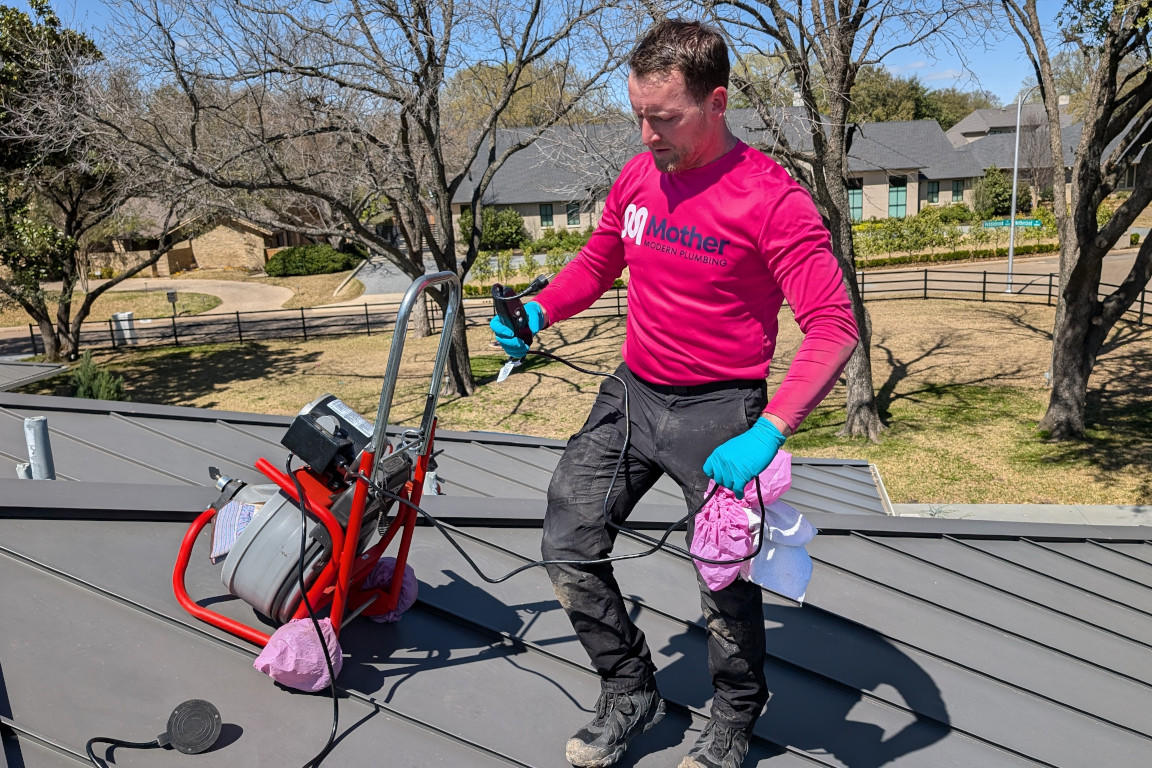

Local plumbers prepare for an autumn surge of wastewater backups and stormwater floods
FORT WORTH, TX, UNITED STATES, October 11, 2026 /EINPresswire.com/ — As Fort Worth emerges from extreme drought conditions, the threat of heavy rains looms over the city towards the end of 2026.
Climate experts project a “really strong” El Niño in November and December 2026, according to the Fort Worth Report. A three-month projection from the National Weather Service shows Fort Worth has a 50% chance of greater-than-average rainfall in the period.
While the projected heavy rainfall spells relief to drought-affected homeowners and agricultural businesses, Fort Worth plumbing and drainage experts see a potential problem on the horizon.
“When heavy rain hits moisture-starved clay soil, problems arise,” explains Responsible Master Plumber Steven Smith (RMP-43457) of Fort Worth’s Mother Modern Plumbing. “The clay absorbs as much water as it can get, as fast as possible. It’s a bad drainage problem.”
The city experienced a miniature version of these events in early October, when 5 inches of rain hit the region in one week. The storms led to several flood watches and warnings across Tarrant County, due in large part to the soil’s inability to absorb and distribute the water properly.
Although homeowners called the city about older storm drains and runoff points, Smith notes that updating the city sewer system doesn’t address residential drainage issues.
“Modernizing our city sewer system is great,” Smith explains. “But it doesn’t change the soil type. And it doesn’t fix the aging drainage pipes under individual homes.”
A majority of stormwater flood complaints were reported by residents of neighborhoods near Loop 820 in Fort Worth. While homes west and southwest of 820 are newer builds with modern sewer lines, homes north and east of the loop have much older plumbing systems.
“You’re looking at Carver Heights, Lake Worth, Central and West Meadowbrook,” Smith says. “These are 1950s and 60s builds with original cast iron sewer pipes. Waterlogged soil puts extreme pressure on older home drainage- the runoff issues here aren’t all infrastructure.”
As clay soil expands with moisture, it places up to 10,000 pounds per square foot (PSF) of pressure on buried sewer lines. Existing cast iron and older PVC pipes offer little resistance to this force. The results include home wastewater backups and sewage flooding into the yard.
Smith encourages homeowners to note the location of stormwater flooding on their properties. If it’s above the sewer line, near the foundation or where the home sewer line meets the city connection, the issue is likely a compromised sewer pipe rather than poor city drains.
“It happens every time we have a strong El Niño,” Smith comments. “Check for faint sewer odors in the yard or soft spots above the sewer line. Those are the first warning signs.”
Fort Worth officials have already completed multiple flood control projects in the city, including recent improvements in Arlington Heights. Homeowners are advised to follow suit and schedule sewer line cleaning and maintenance in advance of this year’s El Niño storms.
Matthew Silkwood
Mother Modern Plumbing
+1 979-220-1702
Visit us on social media:
LinkedIn
Instagram
Facebook
YouTube
Legal Disclaimer:
EIN Presswire provides this news content “as is” without warranty of any kind. We do not accept any responsibility or liability
for the accuracy, content, images, videos, licenses, completeness, legality, or reliability of the information contained in this
article. If you have any complaints or copyright issues related to this article, kindly contact the author above.

Media gallery
