GFM.News Examines California’s New Smoke-Damage Rules After Los Angeles Fires
New laws clarify wildfire smoke testing, remediation, insurance claims and temporary living expenses for affected
Press Release Disclaimer: This is a press release distributed through the XPR Media network. It has not been independently verified by our newsroom.
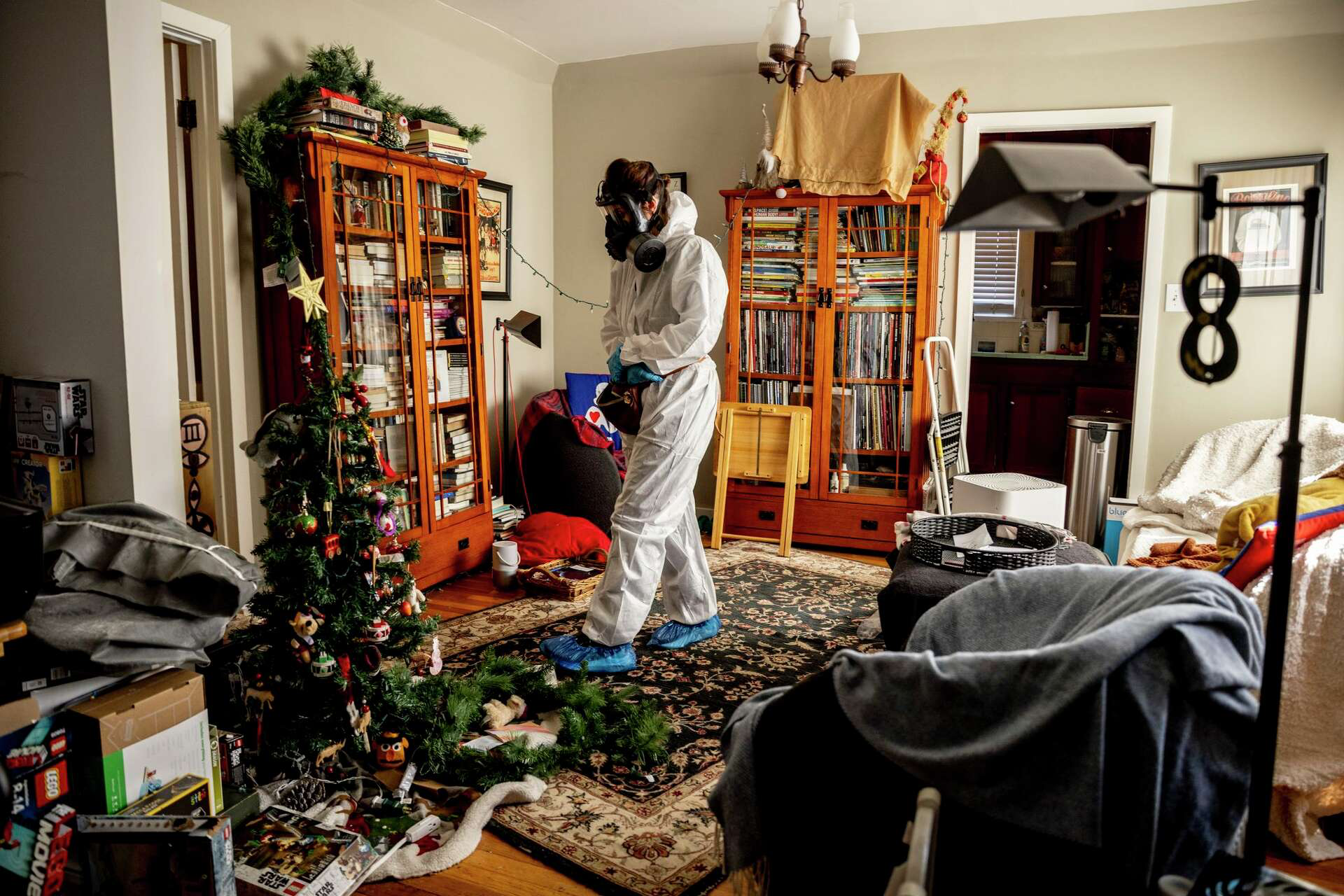

New laws clarify wildfire smoke testing, remediation, insurance claims and temporary living expenses for affected California homeowners.
IRVINE , CA, UNITED STATES, September 16, 2026 /EINPresswire.com/ — More than a year after the 2025 Los Angeles wildfires, thousands of families are still living with damage that is difficult to see from the street. Their houses remain standing, sometimes with furniture, photographs and everyday belongings still inside, yet smoke, ash, lead, asbestos and other combustion-related contaminants may have left those homes unsafe to occupy.
GFM.News examines that problem in a new Financial Investigation, “When Is a House Considered Safe? California Establishes New Standards for Smoke Damage Claims,” published September 16 following Governor Gavin Newsom’s signing of a new wildfire recovery package in Altadena one day earlier.
Two measures in that package, AB 1642 and AB 1795, begin establishing clearer rules for wildfire smoke testing, remediation, insurance claims and the conditions under which affected residents can safely return home. California officials estimate that more than 13,000 of roughly 40,000 insurance claims filed after the January 2025 Los Angeles fires involved smoke damage to homes that never burned.
The issue reaches well beyond a technical insurance dispute. A family may still be making mortgage payments on a house it cannot safely occupy while also paying rent for temporary housing. An insurer may have paid part of a claim while the extent of contamination remains disputed. A contractor may be ready to work, but the required scope of cleanup may depend on environmental testing that produces conflicting conclusions. Mortgage servicers, industrial hygienists, remediation companies, building-material suppliers, public-health agencies and local governments can all become part of the same recovery process, with each delay carrying a financial cost.
AB 1642 directs California agencies, including the Department of Toxic Substances Control, to develop science-based standards for testing, remediation and reoccupancy following wildfire smoke contamination. AB 1795 connects those standards more directly to residential insurance claims and establishes procedures affecting smoke-damage inspections, restoration and certain Additional Living Expense protections.
For homeowners, these rules reach directly into household finances and property protection. For insurers, they provide clearer obligations around testing and remediation. For mortgage lenders and servicers, they intersect with insurance proceeds, escrowed rebuilding funds and a homeowner’s ability to carry debt while displaced. For California’s construction, environmental testing, real estate and building-material industries, they influence the cost and timing of recovery work.
GFM.News founder Kevin Guo, who authored the investigation, said the most useful measure of recovery will emerge over time rather than on the day new legislation is signed.
“Insurance payments, building permits and reconstruction spending are all important, but they do not tell us whether a family has actually recovered,” Guo said. “A household may have received money and still be unable to rebuild; a permit may have been issued while construction has not started; a house may still be standing while the family does not feel safe returning. The question we intend to keep asking is how many families ultimately make it home.”
The GFM investigation also examines the limits of the new framework. The 2025 fires helped generate the political and regulatory pressure behind the legislation, but families already involved in older claims will not necessarily see every new procedure applied retroactively. Existing insurance contracts, California insurance law, regulatory enforcement and the specific facts of individual claims will continue to matter.
California has described its smoke-damage framework as the first enforceable statewide system of its kind in the United States. GFM distinguishes that official characterization from an independent comparison of all 50 states, while recognizing that California is moving toward a more standardized approach to disputes that previously depended heavily on case-by-case negotiation and competing expert opinions.
The report also places wildfire smoke damage within a broader urban risk problem: a building can remain physically intact while losing its practical function as a safe home or workplace. The investigation briefly examines the June 2026 Lineage Logistics warehouse fire in Boyle Heights, where smoke, industrial hazards and the absence of a mandatory evacuation order raised additional questions about when temporary living expenses or business interruption coverage should apply.
This report is part of GFM.News’ long-term public research project, “After the Fire, Who Will Rebuild Los Angeles?” The project will follow insurance payouts, mortgages, bank-controlled rebuilding funds, construction permits, actual starts and completions, land transactions, population movement, industry opportunities and public accountability. Its purpose is to build a continuing public record of what happens after legislation is announced and after money begins to move.
Research produced through the project will also inform “California: New Opportunities,” a public dialogue platform initiated by GFM.News for discussions involving government, industry, academia, capital and communities around California’s recovery and longer-term development. GFM maintains separate editorial and platform operations, and outside partners do not participate in newsroom topic selection, verification, headlines or editorial judgments.
As of March 2026, California had recorded nearly 42,000 insurance claims related to the 2025 Los Angeles fires, with more than 40,000 at least partially paid and approximately $23.7 billion distributed. Those figures show that significant money and administrative effort are moving through the recovery system, but they leave one question that GFM intends to follow over the coming years: after the claims, permits, new laws and rebuilding programs, how many families are actually able to return home?
Kevin Guo
GLOBAL FINANCIAL MEDIA INC
+1 949-758-8808
Kevin@gfm.news
Legal Disclaimer:
EIN Presswire provides this news content “as is” without warranty of any kind. We do not accept any responsibility or liability
for the accuracy, content, images, videos, licenses, completeness, legality, or reliability of the information contained in this
article. If you have any complaints or copyright issues related to this article, kindly contact the author above.

Media gallery